Why do dogs bury their pet toys in the backyard? The answer usually involves instinct, comfort, and learned experience. A dog may carry a rubber ball across the grass, dig beside a flower bed, and cover it with loose soil. This behavior can resemble food caching, even when the buried object is only a squeaky toy.
Veterinary behaviorist Dr. Nicholas Dodman explains, “Burying is a natural behavior for dogs.” His observation helps place this habit in context. Dogs may protect valued objects, save them for later, reduce boredom, or enjoy the sensory reward of digging. Some dogs also bury toys after receiving too many choices. They seem to create a private collection.
The backyard can become a personal storage area. Damp earth, crushed leaves, and familiar smells may make the hiding place especially appealing. However, not every dog buries for the same reason. Breed tendencies, past experiences, household routines, and individual personality all matter.
Owners should watch the full pattern. Is the dog relaxed, playful, and willing to leave the toy? Or does it guard the spot, growl, or pace nearby? Those details can change the interpretation. A forgotten toy may also become dirty or unsafe, especially after rain. Check buried items regularly and replace damaged ones.
There is no perfect explanation for every digging dog. That uncertainty matters. By observing the dog’s body language and daily environment, owners can better understand why do dogs bury their pet toys in the backyard and respond without punishing a natural behavior.
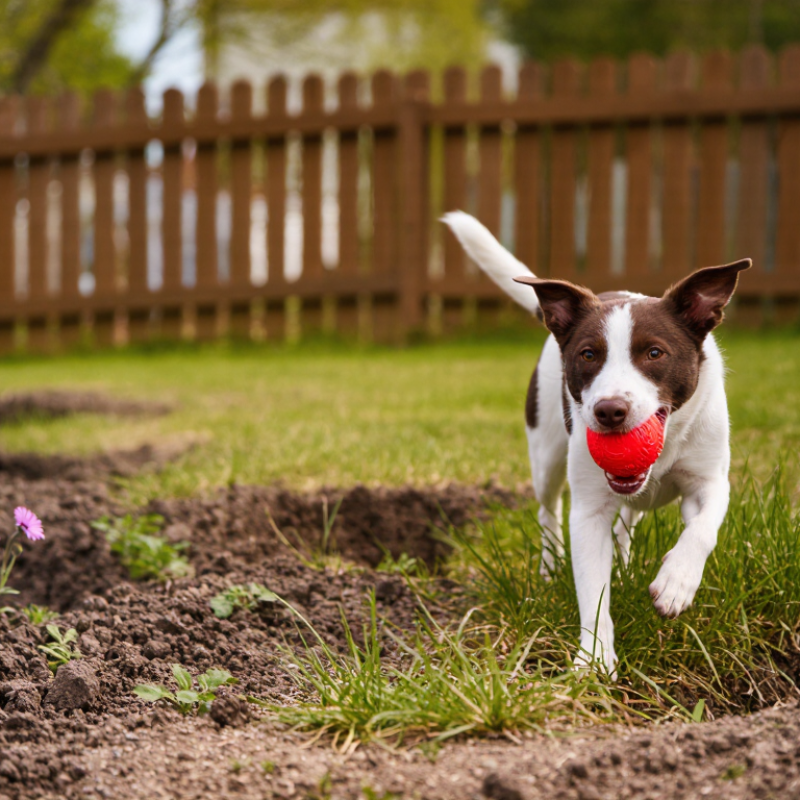
A dog burying a toy is often expressing an ancient survival instinct: resource caching. Wild canids may hide food when they have more than they can eat. Domestic dogs sometimes transfer that pattern to toys, chews, or even a favorite sock. The backyard becomes a small storage room, marked by scent and memory. A 2020 review in Animals explains that caching can support later access to valued resources, although individual motivation varies.
The behavior may also reveal emotional needs. A dog that quietly pushes a toy beneath loose soil may feel secure, playful, or protective. Another dog may bury items after receiving too many toys at once. Watch the details. Is the tail relaxed? Does the dog return calmly? These clues matter more than the hole itself. The 2023–2024 APPA National Pet Owners Survey estimates that 65.1 million U.S. households own dogs. Yet broad ownership data cannot explain every dog’s private ritual.
Professional guidance from the American Animal Hospital Association emphasizes enrichment, observation, and behavior assessment across a dog’s life stages. Offer safe digging areas and inspect buried toys for mold, sharp edges, or damage. Avoid grabbing prized objects suddenly. That can create guarding concerns. My own interpretation may still be incomplete; scent, habit, boredom, and comfort can overlap. Sometimes the dog is simply enjoying the mud. That is easy to underestimate.
How to Understand Why Dogs Bury Their Toys in the Backyard?
A dog rarely chooses a toy at random. Soft toys may receive careful sniffing, while rubber toys often earn repeated chewing. Dogs consider texture, scent, size, and emotional value before carrying an object outside. A familiar toy can feel worth protecting, especially when food or attention seems limited.
Watch the carrying process closely. Some dogs grip toys gently from the middle. Others hold one end and shake their heads as they walk. The route may include several pauses, such as sniffing a fence post or checking nearby soil. These pauses help the dog select a private, workable place. Loose earth is easier to dig than dry, compact ground.
Preparation can look surprisingly deliberate. A dog may scratch a shallow hollow, drop the toy, then push soil over it with its nose. Some use a paw, circle the spot, and return minutes later. The behavior may reflect instinct, play, comfort, or simple habit. Experts caution against assigning one meaning to every burial. I once assumed hiding always meant anxiety, but calm dogs bury objects too. That earlier assumption was too simple.
Changes matter more than one isolated burial. A sudden increase may deserve gentle observation, especially if the dog guards toys, stops eating, or seems distressed. Avoid pulling the toy away during burial. Instead, note the object, location, body language, and recovery pattern. Small details often reveal more than the buried toy itself.
| Behavior Stage | What the Dog Often Does | What May Influence the Behavior | Likely Function | What Owners Can Observe |
|---|---|---|---|---|
| 1. Choosing the toy | Selects a soft, chewable, food-scented, or especially familiar toy. | Texture, scent, emotional value, play history, and the toy's ease of carrying. | The dog may be prioritizing an object that is valuable, enjoyable, or easy to protect. | The dog ignores other toys and repeatedly returns to one preferred item. |
| 2. Carrying the toy | Carries the toy away from people, other pets, or high-traffic areas. | The need for privacy, reduced competition, quiet surroundings, or a preferred location. | Moving the item can reduce the chance that another animal or person will take it. | The dog carries the toy to a corner, garden bed, kennel area, or another secluded place. |
| 3. Inspecting the site | Sniffs the ground, paws at the soil, and circles before settling on a spot. | Soil softness, moisture, shade, cover, and how easy the area is to revisit. | The dog is assessing whether the location can be manipulated and revisited safely. | Digging is more likely in loose soil, mulch, sand, or recently watered ground. |
| 4. Preparing the object | Chews, licks, nudges, or repositions the toy before covering it. | Toy shape, smell, material, and the dog's individual habits. | Handling may be part of play, scent investigation, or preparation for temporary storage. | The dog may repeatedly pick up and put down the toy before digging. |
| 5. Digging a hole | Uses the front paws to scrape soil backward and creates a shallow or deep cavity. | Genetic digging tendencies, past reinforcement, available space, and environmental stimulation. | Digging can provide natural sensory and motor activity while creating a hiding place. | Pawing may continue even when the hole appears large enough, especially during excited play. |
| 6. Positioning the toy | Places the toy in the hole, often using the mouth or nose to adjust it. | Toy size, hole depth, soil condition, and the dog's comfort with the object. | The dog is arranging the item so it can be covered or remain partly accessible. | Some dogs bury only part of a toy, while others push it completely below the surface. |
| 7. Covering the toy | Scrapes soil, leaves, grass, or mulch over the object and may press the covering down. | The material available, the dog's motivation, and whether the toy is intended for later retrieval. | Covering can conceal the toy and make it less visible to potential competitors. | The dog may glance back at the spot, pat the ground, or sniff it after covering. |
| 8. Returning to the site | Revisits the location, sniffs the ground, and may uncover the toy later. | Memory, scent cues, visual landmarks, and the continuing value of the toy. | Retrieval suggests that the object retained value after burial. | A dog may recover the toy hours or days later, although some buried items are never retrieved. |
| 9. Repeating or stopping | Repeats the sequence or stops after one burial attempt. | Individual temperament, breed-related tendencies, boredom, stress, access to outdoor space, and previous success. | The behavior may reflect instinctive caching, enrichment, play, or a learned routine rather than a single cause. | A sudden increase, frantic digging, or inability to disengage may indicate that the dog's needs or stress level should be assessed. |
How to Understand Why Dogs Bury Their Toys in the Backyard?
Environmental and Emotional Reasons Dogs Hide Their Toys
Dogs often bury toys because the backyard feels like a natural storage room. Soft soil, loose mulch, and shaded corners make hiding easy. Their distant ancestors cached food to protect valuable resources. Modern dogs may apply that pattern to rubber balls, stuffed animals, or chew treats.
The 2024 U.S. Pet Ownership and Demographics Sourcebook estimates that about 59.8 million American households have dogs. That large population shows why individual behavior needs careful interpretation. A dog with several toys may bury one because the toy is especially exciting. Another may hide it after noisy play, when the yard provides quiet control. Weather also matters. Cool soil can protect objects from heat and direct sunlight.
Emotional signals add another layer. A dog that digs calmly, retrieves the toy later, and relaxes is usually showing normal enjoyment. Repeated guarding, frantic digging, whining, pacing, or refusing to leave the hole may suggest stress. Veterinary behavior research links repetitive hiding with anxiety only when other signs appear. The hole alone proves very little.
I have sometimes treated burying as pure instinct. That is too simple. Context changes the meaning. Watch the dog’s posture, breathing, appetite, and daily routine for several days. A sudden change deserves professional veterinary advice, especially when the dog damages its paws or guards objects intensely. Our interpretations remain imperfect. Dogs cannot explain the feeling behind the dirt.
Dogs may bury toys because caching is an instinctive way to protect valued resources, while soil can provide a cool, private hiding place. Burying may also reflect resource guarding, excitement, boredom, stress relief, or a desire to return to a favorite object later. The scores show relative behavioral relevance, not population percentages or a clinical diagnosis.
How to Understand Why Dogs Bury Their Toys in the Backyard?
When Toy-Burying Is Normal and When It Signals a Problem
A dog may bury a rubber ball beneath cool soil, then return hours later. This behavior often reflects instinct, resource protection, play, or simple satisfaction. The 2023–2024 APPA National Pet Owners Survey reports that 65.1 million U.S. households own a dog, so many families observe these habits at home. Toy-burying alone is usually harmless when the dog remains relaxed, eats normally, and willingly leaves the toy.
The warning signs are more specific. Watch for frantic digging, growling when approached, damaged teeth, bleeding paws, or repeated guarding of empty spaces. Merck Veterinary Manual notes that repetitive behaviors can relate to anxiety, conflict, or medical discomfort. A dog that buries every toy immediately may need closer observation. Especially after moving, a new baby, or changes in routine.
The line is not always neat. A healthy dog can still become distressed sometimes. In practice, record when burying happens, what happened beforehand, and how quickly the dog settles. Offer supervised play, rotate a few safe toys, and prevent access to sharp stones or contaminated soil. Do not punish guarding. Punishment can increase fear and make the behavior harder to interpret. If the pattern escalates, consult a veterinarian or qualified clinical behavior professional.
Burying a toy is usually normal canine behavior. Dogs may protect valued objects, cool them in soil, or satisfy an inherited caching instinct. The 2023–2024 APPA National Pet Owners Survey estimates that 65.1 million U.S. households own a dog. That scale makes small behavior choices matter. Owners should watch the pattern, not punish the instinct.
Give your dog one approved digging area. A shallow sand corner works well. Place a toy there, praise calm digging, and cover the hole later. Rotate durable toys instead of leaving every toy outside. The American Veterinary Medical Association’s 2022 sourcebook estimates that about 44.5% of U.S. households own dogs. Different surveys use different methods, but both reports show how common this responsibility is. Supervision remains important. Some dogs swallow fabric, soil, or damaged pieces. Remove broken toys immediately.
Avoid grabbing a buried toy by force. Trade it for a small treat or another toy, then reward release. I have sometimes mistaken quiet burying for stubbornness. That was unfair. Sudden guarding, snapping, frantic digging, or repeated swallowing deserves veterinary advice. A qualified behavior professional can check anxiety, boredom, pain, or resource guarding. Keep a simple diary for seven days. Record the toy, location, time, weather, and your dog’s body language. Small details can reveal a pattern.
Dogs may protect valued objects or follow an inherited caching instinct. Soft soil feels like a natural storage place. Context matters.
It may sniff, chew, and inspect the toy first. Texture, scent, size, and familiarity can influence the choice.
Pauses may help the dog find a private, workable location. It might sniff a fence post or test loose soil.
The dog may scratch a shallow hollow and drop in the toy. Then it pushes soil with its nose or paw.
No. Calm dogs may bury toys during relaxed play. Anxiety becomes more concerning with whining, pacing, guarding, or appetite changes.
Do not pull it away by force. Offer a small treat or another toy, then reward a calm release.
Yes, sometimes. Dogs may swallow soil, fabric, or damaged pieces. Remove broken toys immediately and supervise outdoor play.
Provide one approved digging area with loose sand or soil. Rotate durable toys and cover the hole later.
Seek veterinary guidance after sudden behavior changes. Intense guarding, frantic digging, damaged paws, or repeated swallowing deserve attention.
Keep a seven-day diary. Note the toy, location, time, weather, body language, and recovery behavior. Small details may reveal patterns.
Dogs may bury toys in the backyard because this behavior reflects ancient instincts to store, protect, and save valuable resources for later. When a dog chooses a favorite toy, carries it to a quiet location, and digs before covering it, the process can provide comfort, mental stimulation, and a sense of security. Some dogs hide toys because of environmental factors, such as having too many possessions, limited play opportunities, or a desire for a private space. Others may bury toys when they feel excited, anxious, bored, or protective of their belongings. Understanding why do dogs bury their pet toys in the backyard helps owners respond with patience rather than punishment.
Toy-burying is usually normal when the dog remains relaxed, healthy, and willing to play or interact. Owners can manage it by offering suitable digging areas, rotating toys, supervising outdoor play, and gently redirecting the dog when necessary. However, excessive digging, intense guarding, distress, destructive behavior, or sudden changes may indicate anxiety or another problem. In such cases, observing triggers and consulting a qualified animal professional can help.

Wilsons Pets