Why Does My Dog Carry Their Favorite Toy Everywhere?

Time:2026-08-24 Author:Isabella
0%

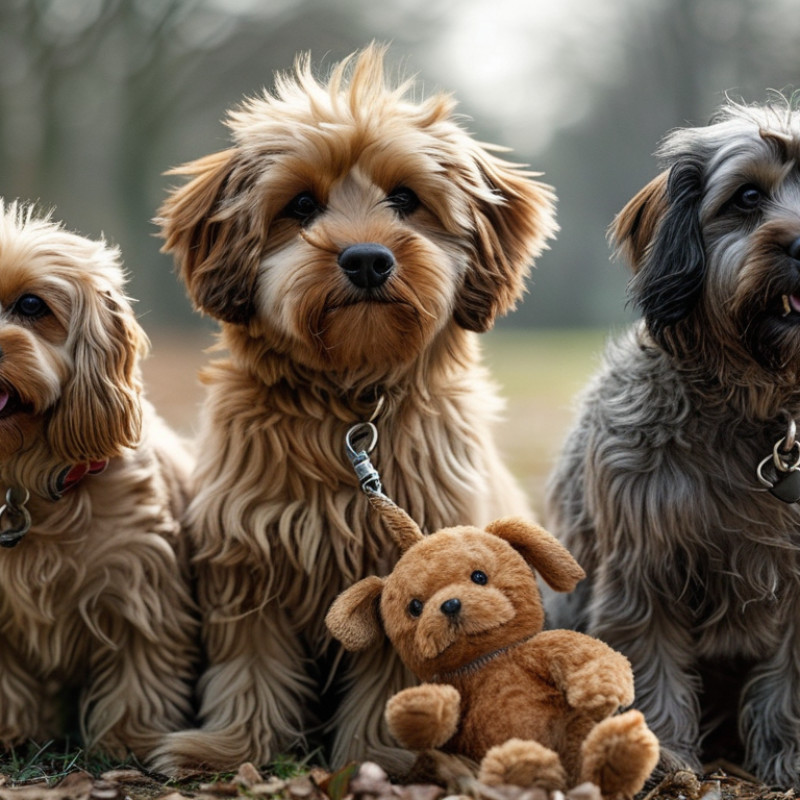
Many dog owners find themselves wondering, "why does my dog carry their favorite pet toy everywhere?" This behavior can reflect their emotional attachment to the toy. Dogs often see toys as companions, providing comfort and security. When they carry a favorite toy, it is as if they are sharing a part of themselves with you.

Additionally, dogs have instincts that drive them to protect their possessions. A beloved toy can become a prized possession. It might also serve as a source of entertainment or a way to alleviate boredom. The attachment to a specific toy can stem from the memories associated with it. This behavior can provide insight into their emotional state.

However, this habit may sometimes lead to obsessive behavior. It is important to observe if the toy is causing stress or anxiety. Dogs should interact with various toys, not just one. Understanding this attachment can enhance your bond with your furry friend. Ultimately, recognizing their needs is crucial for a happy relationship.
Why Does My Dog Carry Their Favorite Toy Everywhere?

Understanding the Behavior of Dogs and Their Favorite Toys

Dogs often carry their favorite toys everywhere. This behavior can stem from several reasons. For many dogs, toys provide comfort and security. They associate these items with positive experiences, helping them feel safe in various situations.

Toys may also serve as a way for dogs to express their emotions. When a dog feels anxious or excited, they might grab their favorite toy for a sense of control. This can sometimes result in undesirable behaviors. For instance, a dog might obsessively chew on or carry a toy, which can lead to anxiety or frustration if they cannot access it.

Encouraging healthy habits is essential. Create designated playtimes to help manage your dog's attachment to certain toys. Rotate toys regularly to keep their interest high without causing over-dependence. Pay attention to your dog’s emotional responses; if they seem stressed, consider introducing calming techniques. Understanding your dog’s needs can turn an obsession into a balanced relationship with their toys.

The Psychological Reasons Behind Toy Carrying in Dogs

Dogs often carry their favorite toys everywhere. This behavior can be traced back to their natural instincts and emotions. For many dogs, toys represent comfort and security. They may carry a toy to feel safe, especially in new or stressful situations.

The attachment to a specific toy can be linked to a dog’s personality. Some dogs are more anxious and rely on their toys for reassurance. Others might simply enjoy playing and carrying their toys around. This act can also represent a way for dogs to express their playful side. They engage with the toy, bringing joy into their daily routine.

In some cases, carrying a favorite toy can showcase possessiveness or territorial behavior. Dogs want to mark their belongings by carrying them. Observing how your dog interacts with their toys can offer insight into their emotional state and social needs. Each dog is unique, and understanding their preferences is essential for fostering a healthy relationship.

How Dogs Use Toys for Comfort and Security

Many dog owners have noticed their pets carrying toys everywhere. This behavior reflects a deeper emotional need. Dogs often use toys for comfort and security. A familiar object can provide stability in an unpredictable world.

When stressed or anxious, dogs may seek out their favorite toy. This action helps them cope with new situations, such as changes in routine or environment. It’s not just a plaything; it’s a source of reassurance. For some dogs, chewing and carrying toys can serve as a self-soothing mechanism.

Observing your dog’s attachment to a toy can reveal their personality and emotional state. A favorite toy may be linked to a happy experience or provide a sense of safety. This connection shows the importance of understanding your dog’s needs. Recognizing these behaviors can foster a strong bond between you and your pet, enhancing their sense of security. While toys may seem simple, their role is profound.

Social and Playful Aspects of Dogs Carrying Toys

Many dog owners notice their pets carrying toys everywhere. This behavior has social and playful roots. For dogs, toys represent comfort and joy. A favorite toy can act like a security blanket. This attachment often stems from early socialization experiences. Puppies learn to associate these toys with fun and companionship.

Carrying toys can also be a sign of playfulness. Dogs enjoy engaging in games that involve their treasures. They might initiate play with others or expect interaction from their owners. This playful behavior promotes bonding and strengthens relationships. However, some dogs might hoard toys or become possessive. This can indicate anxiety or insecurity. Understanding your dog's feelings toward their favorite toy is essential.

In a multi-pet household, a dog may carry a toy to assert dominance or claim ownership. Monitoring these behaviors can provide insights into their social dynamics. While it's natural for dogs to carry toys, paying attention to these habits is crucial. It helps ensure they remain happy and balanced in their social interactions.

Why Does My Dog Carry Their Favorite Toy Everywhere?

Tips for Encouraging Healthy Play Habits with Toys

Dogs often carry their favorite toys everywhere. This behavior can be tied to instinct and emotional comfort. A study from the American Kennel Club reveals that 56% of pet owners believe their dogs form strong attachments to toys. This bond reflects their playful nature and need for security.

Encouraging healthy play habits involves more than just providing toys. Rotate toys regularly to keep your dog engaged. Too many toys can overwhelm them, leading to less playtime. Keep play sessions short, around 10 to 15 minutes, to maintain their interest and energy levels. Regular play can also aid in preventing destructive behavior, as dogs often chew when bored.

Consider using toys that promote interaction. Puzzle toys challenge your dog mentally and physically. Research shows that toys designed for cognitive stimulation can reduce anxiety in 70% of dogs. Remember that play styles may vary. Watching how your dog interacts with different toys can offer insights into their preferences. Each dog is unique, and their toy habits can reflect their personality and needs. Adjust your approach based on your observations.

FAQS

: Why do dogs carry their favorite toys everywhere?

: Dogs often carry toys for comfort and security. They associate toys with positive experiences.

Can carrying toys indicate a dog's emotional state?

Yes, dogs may grab toys when anxious or excited. This behavior shows their need for control.

How can I manage my dog's attachment to toys?

Create playtimes and rotate toys regularly. This helps keep their interest without causing over-dependence.

What does it mean if a dog hoards toys?

Hoarding can indicate anxiety or insecurity. It’s important to understand their feelings toward toys.

How can I encourage healthy play habits?

Monitor play sessions closely. Aim for 10 to 15 minutes to keep your dog interested and engaged.

Are there toys that can help reduce my dog’s anxiety?

Yes, puzzle toys can promote mental stimulation. Studies show they can reduce anxiety in many dogs.

How can I tell if my dog is bored with their toys?

Watch for less engagement or destructive behavior. Too many toys can overwhelm them and reduce interest.

Is it normal for a dog to feel possessive over their toys?

Yes, in multi-pet households, it can indicate attempts to assert dominance or ownership.

Should I worry if my dog shows obsessive behavior towards a toy?

Consider seeking balance. Obsessive behavior can lead to frustration or anxiety. Reflect on their emotional needs.

How often should I change my dog's toys?

Rotating toys regularly keeps them fresh and engaging. Each dog has unique preferences, so stay observant.

Conclusion

In exploring the question, "why does my dog carry their favorite pet toy everywhere," we find that this behavior stems from various psychological and emotional factors. Dogs often form strong attachments to their toys, which provide them with comfort and security. These toys can serve as a source of familiarity, helping to alleviate anxiety and stress in different environments.

Moreover, carrying toys can have social and playful dimensions, as dogs may use them to initiate play with their owners or other pets, enhancing their social interactions. To promote healthy play habits, it's essential for dog owners to engage with their pets using these toys, encourage safe play sessions, and regularly introduce new toys to keep their canine companions mentally stimulated and emotionally secure.

Isabella

Isabella

Isabella is a dedicated marketing professional with a sharp focus on driving brand growth and engagement through strategic content creation. With an extensive background in digital marketing, she combines her passion for storytelling with her keen understanding of industry trends to deliver......