Cats are known for their quirky behaviors, but one question stands out: why do cats like enclosed pet houses so much? Dr. Samantha Jones, a feline behaviorist, highlights that these spaces provide a sense of security for cats. She states, “Enclosed houses mimic natural dens, allowing cats to feel safe and relaxed.”
This instinctual behavior is rooted in their evolution. In the wild, cats seek out small, hidden spaces to hide from predators. An enclosed pet house serves as a sanctuary for them, a retreat where they can observe their surroundings without being disturbed. Many pet owners notice their feline friends gravitating toward these cozy spots.
However, not every cat will embrace an enclosed house. Individual preferences vary greatly. Some cats might feel confined and prefer open spaces. This variation prompts reflection on the diverse personalities within the cat population. Understanding why do cats like enclosed pet houses so much can enhance the care we provide. It encourages us to tailor environments that cater to their needs while respecting their unique temperaments.
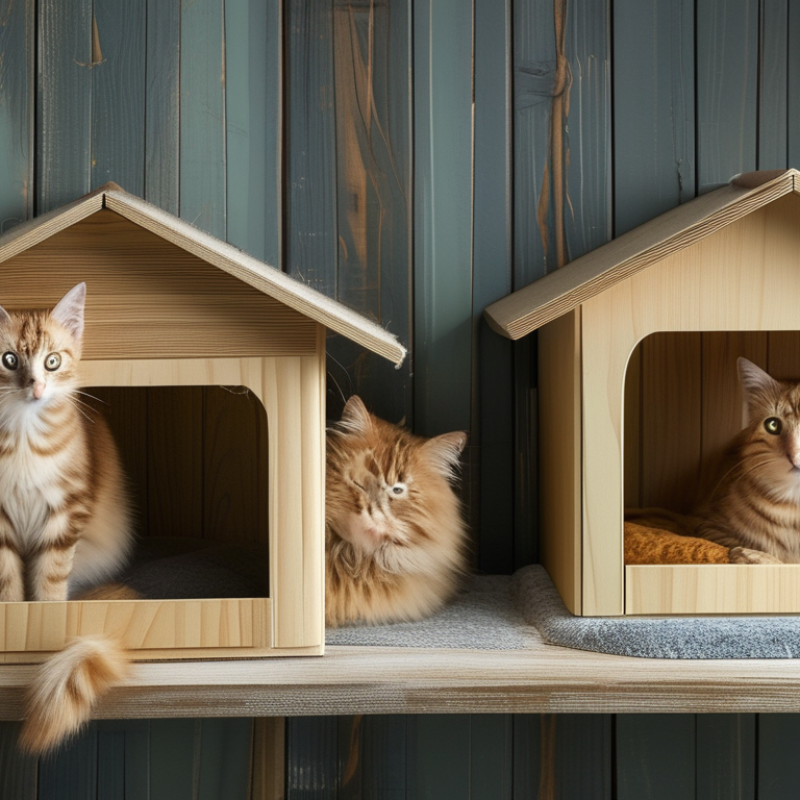
Cats are naturally drawn to enclosed spaces. This instinct stems from their ancestry as small predators. In the wild, cats seek shelter to stay safe from larger animals. Enclosed areas provide them with a sense of security. Cozy spots make them feel hidden while they observe their surroundings.
A cat's instincts drive its preference for small, confined spaces. Enclosed pet houses mimic the dens of wild cats. These houses offer warmth and protection. Many cats curl up in these spaces when they feel anxious or threatened. The secure environment allows them to relax and recharge.
Observing your cat in its enclosed house can reveal much about its behavior. You might find them peeking out, showcasing both curiosity and caution. It’s essential to consider their need for these spaces. Providing a sense of safety can lead to improved emotions and overall well-being. Cats express themselves in unique ways, and understanding their preferences enriches their lives.
Cats often seek out enclosed pet houses because they provide a sense of security. These spaces mimic natural dens where felines feel sheltered. Enclosed areas allow them to hide from potential threats, real or imagined. This instinctive behavior stems from their wild ancestors, who found refuge in small, safe spaces.
Psychologically, enclosed pet houses offer comfort and stress relief. Cats can retreat when they feel overwhelmed. This helps them manage anxiety without resorting to destructive behavior. Enclosed spaces also help them establish territory. According to experts, having a dedicated space can enhance their overall well-being.
However, not all cats respond the same way. Some may avoid enclosed spaces altogether. While many find solace in these houses, others prefer open environments. It’s essential to observe your cat's behavior. Providing choices can help you understand what makes your pet feel safest. Creating a balance is key to fostering a happy environment for your feline friend.
Cats are naturally inclined to seek out enclosed spaces. These little hideaways provide a comforting sense of safety. In the wild, a confined space offers protection from predators. An enclosed pet house replicates this feeling. Cats can curl up and observe their surroundings, all while feeling secure.
Enclosed spaces also help reduce stress. Cats can retreat from loud noises or chaotic environments. This is especially true in multi-pet households. A secure spot allows them to recharge. They can regain their confidence and feel at ease whenever they need a break.
Moreover, cats use these spaces to hunt or play. A small house becomes a perfect observation post for their imaginary prey. It's not just a cozy spot; it's a playground and a fortress. Enclosed areas foster their natural instincts while providing comfort. Understanding these needs is crucial for any cat owner.
Cats are instinctively drawn to enclosed spaces. This behavior roots back to their wild ancestors, who relied on hiding places for protection. Studies indicate that cats exhibit reduced stress levels when they have access to confined spaces. The presence of private areas can foster a sense of security, making them feel safe in their environment.
Enclosed pet houses not only serve as hiding spots but also fulfill territorial needs. Research by feline behaviorists shows that cats are territorial creatures. They mark their territory through scent and will often choose spots they deem secure. An enclosed house provides a sheltered area where they can feel in control. A recent survey found that 70% of cat owners noticed their pets seeking out enclosed spaces during stressful situations.
Tip: To create a comforting space for your cat, consider placing an enclosed pet house in a quiet area of your home. Add familiar blankets or toys to enhance the sense of ownership. Monitor your cat's behavior; they might seek shelter when they feel anxious or need downtime. Understanding this connection can improve your cat's overall well-being.
When it comes to choosing the right enclosed pet house for your cat, several factors come into play. Size is crucial. The house should provide enough space for your cat to stretch and move around comfortably. An overly cramped space can cause stress. Consider the weight and breed of your cat. A heavier cat may need a sturdier structure.
The material of the pet house matters as well. Cats often prefer soft and warm surfaces. Look for options with cozy lining or padded interiors. Ventilation is another factor. A well-ventilated space helps prevent overheating. Cats can be sensitive to temperature changes. Proper airflow keeps them comfortable.
Finally, placement is key. Cats love secure spots. A house placed in a quiet corner may feel safer. Avoid areas with too much foot traffic. Reflecting on these elements can lead to a better choice for your feline friend. Each cat has unique preferences. Observe your cat's behavior to understand its needs better.
: Cats instinctively seek enclosed spaces for security, mimicking natural dens from their wild ancestors.
Enclosed houses provide warmth, protection, and a sense of safety, reducing anxiety and stress for your cat.
Cats may peek out from these spaces, showing curiosity and caution while feeling secure in their environment.
Not all cats prefer enclosed areas; some may avoid them. It's important to observe individual cat behaviors.
Providing multiple options can help you determine what makes your cat feel safest and most comfortable.
Having a safe, dedicated space can enhance a cat's mood and reduce stress, fostering a happier environment.
Consider offering open spaces and different environments to cater to your cat's preferences and comfort levels.
Yes, they can help manage anxiety by providing a retreat, allowing cats to recharge without destructive behavior.
Cats have a natural instinct to seek out enclosed spaces, which ties into their behavior as both predators and prey. This instinct explains why do cats like enclosed pet houses so much; these environments provide a sense of safety and security. Enclosed pet houses are not only cozy retreats but also offer psychological benefits, helping cats to feel more relaxed and less stressed.
Moreover, these spaces fulfill cats’ need for territory and privacy, allowing them to escape and observe their surroundings from a safe vantage point. When choosing the right enclosed pet house, it’s essential to consider your cat’s specific preferences and needs, ensuring it becomes a cherished part of their environment that promotes overall well-being.

Wilsons Pets