Pet toys can often carry germs and bacteria, especially when they are second hand. Ensuring your pet's safety is essential. Knowing how to disinfect second hand pet toys safely is a vital step for any pet owner. Many owners buy used toys to save money or reduce waste. However, these toys may harbor harmful pathogens.
Disinfecting these toys requires careful attention. Although some methods seem effective, not all are pet-safe. You may wonder which cleaning agents are best. Some common household items might be harmful to pets. Researching safe cleaning options is crucial.
By following proven methods, you can eliminate dangers. Choose materials that will not cause toxicity. Take time to ensure the toys are completely dry. An improperly cleaned toy may still pose a risk. Investing time in this process is worth the health and happiness of your pet.
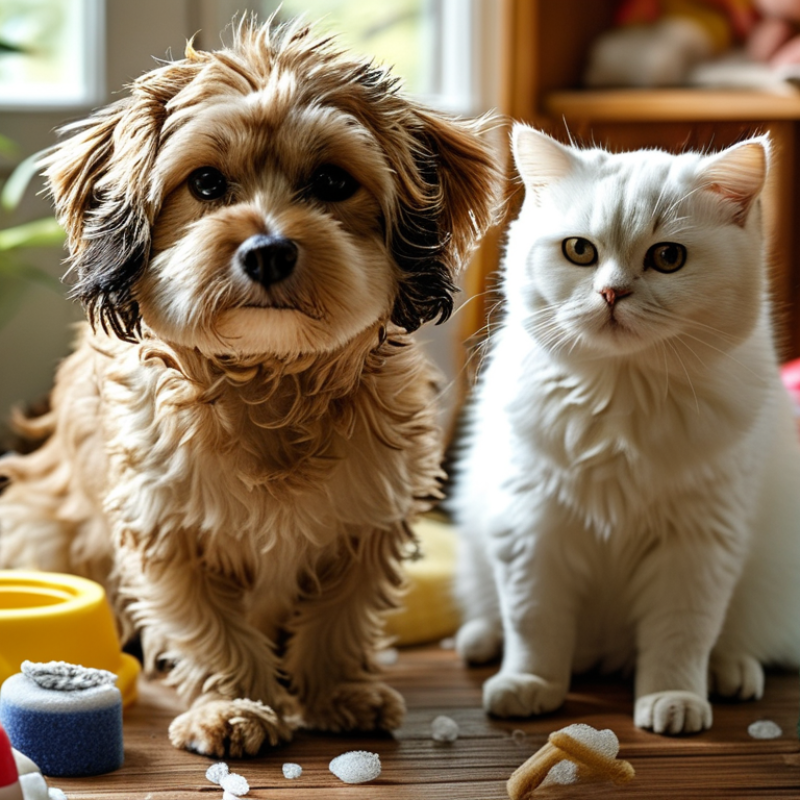
Disinfecting second hand pet toys is crucial for your pets' health. Used toys may harbor bacteria, viruses, or parasites. Even slight contamination can lead to infections. Understanding this importance helps you create a safe environment for your furry friends.
One effective tip is to start with a thorough inspection of the toys. Look for any signs of damage or wear. If a toy is too worn out, it might be best discarded. For toys made from fabric, washing them in hot water can eliminate many pathogens. Always check care instructions before washing.
Another method involves using a mild bleach solution. Mix one part bleach with ten parts water. Soak the toys for a few minutes, then rinse thoroughly. Make sure to allow the toys to dry completely before giving them back to your pets. This careful approach can minimize risks, yet remember that disinfecting is not foolproof. Regular checks and cleaning routines are vital. Always stay vigilant.
When it comes to disinfecting second-hand pet toys, having the right materials is essential. Vinegar and baking soda work well for a natural clean. A non-toxic disinfectant spray can be effective too. Soft cloths and brushes help reach every corner of the toys. You may also need a bucket for soaking.
Tips: Always check for potential allergens in cleaning materials. Avoid anything that could harm your pets. Be cautious with toys that have electronic components, as moisture can damage them.
While disinfecting, consider temperature compatibility. Some toys can withstand hot water, while others cannot. Always refer to the toy's material instructions for safety. If unsure, opt for gentle cleaning methods. This keeps your pets safe while ensuring toys are clean. Remember, not every step will be perfect. Learn from your process, and adjust as needed.
When it comes to cleaning soft and plush pet toys, safety and effectiveness are paramount. Research indicates that about 60% of pet owners buy second-hand toys for their pets. However, used toys can harbor bacteria and allergens. It's crucial to disinfect these items thoroughly to protect your furry friends.
Start by inspecting the toys for any visible damage. Torn seams can trap dirt and germs. Next, check the label for washing instructions. Most plush toys can withstand a moderate cycle in the washing machine. If safe, wash on a gentle cycle with warm water. Using a pet-safe detergent is advisable to minimize potential irritants.
If the toys are not machine washable, consider hand washing. Soak them in a solution of water and mild detergent for a few minutes. Gently scrub with a soft brush to remove dirt. After rinsing, let them air dry completely. This is essential; damp toys can encourage mold growth. A study showed that 20% of pet toys contained harmful bacteria. Air drying helps eliminate this risk, ensuring your pet’s toy is clean and safe.
When it comes to disinfecting second-hand pet toys made of hard plastic and rubber, safety is crucial. Start by inspecting the toys for any signs of wear or damage. Wear and tear can hide bacteria. Clean the toys with warm, soapy water. A gentle scrub with a soft brush can remove dirt and debris effectively. Rinse thoroughly to ensure no soap residue remains.
For disinfection, a diluted white vinegar solution can be effective. Mix equal parts of vinegar and water in a spray bottle. Spray the solution onto the toys and let it sit for about five to ten minutes. This natural method helps eliminate harmful germs without harsh chemicals. Alternatively, you can use hydrogen peroxide for a stronger disinfectant. Ensure you rinse the toys well after using any solution.
Dry the toys completely before giving them back to your pets. Air drying is best to prevent moisture accumulation. Remember that every pet's health is different. Monitor your pets after introducing new toys. If your pet shows any signs of discomfort or allergic reaction, reassess the toys. You can always repeat the cleaning process if needed. Taking these steps not only ensures your pet's safety but also provides peace of mind for you as a responsible pet owner.
When it comes to disinfecting second-hand pet toys, the final rinse and drying process is crucial for safety. After thoroughly cleaning the toys, it’s essential to rinse them well. Use clean water to remove any soap residue. Soap can irritate your pet's skin and digestive system. So, ensure every nook and cranny is rinsed properly. Warm water works best, as it helps dissolve any remaining residues.
For drying, choose a well-ventilated area. Air drying is the safest approach, as it avoids the risk of heat damaging the toys. Place them on a clean towel or a drying rack. Monitor for any damp areas, as moisture can lead to mold growth. Even a small spot of moisture can be problematic. If the toys are plastic, consider using a hairdryer on a low setting. However, be cautious not to introduce heat that may deform the toys.
Some toys may require additional care, especially if they are made of fabric. Check labels or online guides for specific instructions. Pay attention to your pet’s reaction during playtime. If they show any signs of irritation, discontinue use immediately. It’s necessary to remain observant. Ensuring the toys are free of contaminants is a continuous process, not just a one-time task.
: Vinegar, baking soda, and a non-toxic disinfectant spray are useful. Soft cloths and brushes help reach corners.
Always read labels for potential allergens. Avoid substances that may harm your pets during cleaning.
Most plush toys can handle a gentle wash cycle in the washing machine. Check the label for instructions first.
Hand wash the toy in warm water with mild detergent. Soak and gently scrub, then air dry thoroughly.
Damp toys can promote mold growth. Ensure toys dry completely to keep them safe and clean for your pet.
Look for torn seams or frayed edges. Damaged areas can trap dirt and germs, which can harm your pet.
Forgetting to check the toy’s material instructions can lead to damage. Always refer to guidelines for safety.
Choose gentle cleaning methods and avoid harsh chemicals. Taking care in your process helps keep pets healthy.
Not all toys can withstand hot water. Check compatibility before washing to avoid any damage.
Not every cleaning step will be perfect. Reflect on your methods and adjust for better results next time.
Disinfecting second hand pet toys is crucial for ensuring the health and safety of your pets. Understanding the importance of proper cleaning methods can prevent the spread of germs and contaminants that may be present on these items. To effectively disinfect second hand pet toys safely, it is essential to gather the right materials and follow a detailed step-by-step guide. For soft and plush toys, washing them with a suitable disinfectant solution, followed by thorough rinsing, is recommended. For hard plastic and rubber toys, using a mixture of warm water and mild detergent can provide effective disinfection without damaging the surface.
After cleaning, the final rinse and drying process is vital; ensuring all disinfectant residues are removed will help maintain your pet's safety. By following these guidelines on how to disinfect second hand pet toys safely, you can provide a clean and enjoyable playtime experience for your furry friends.

Wilsons Pets