Electronic pet toys keep animals active, curious, and mentally engaged, but they also collect saliva, fur, dust, and food particles. A rolling ball may look clean while its sensor openings hold sticky residue. A treat dispenser can hide crumbs around the motor. Moisture inside those parts may cause corrosion, electrical failure, or unsafe overheating.
Learning how to clean electronic pet toys without damaging them protects both the toy and the animal using it. Dr. Amelia Grant, a veterinary product-safety consultant, explains, “Cleaning should remove contamination without creating a new electrical hazard.” Her advice reflects a practical truth: water is not always the safest cleaner. Unplugging the toy, removing batteries, and checking the manufacturer’s care instructions should happen before wiping anything. Small steps matter.
A soft, slightly damp microfiber cloth often works better than soaking the entire toy. Cotton swabs can reach narrow seams, while a dry brush may loosen fur near wheels and sensors. Never ignore unusual sounds, swollen batteries, cracked plastic, or a burnt smell. Replace damaged toys instead of trying to rescue them. That choice may feel wasteful, but safety matters more.
Some cleaning attempts go too far. Strong chemicals can leave residues, fade surfaces, or irritate a pet’s mouth. Even careful owners can miss hidden moisture. A short drying period is essential. This guide examines safer methods, common mistakes, and simple inspection habits that support cleaner toys and healthier play.
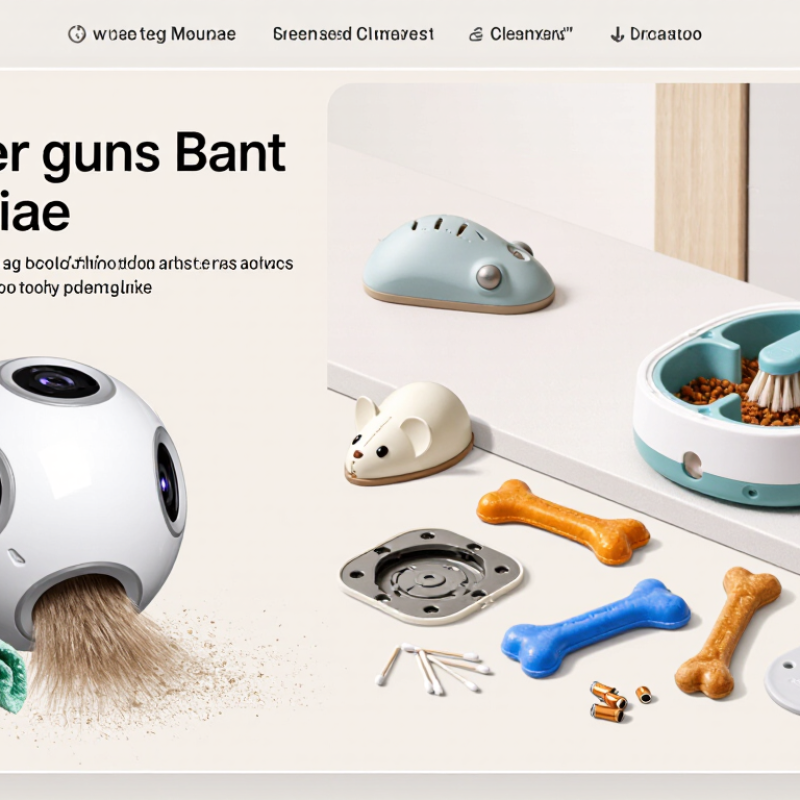
Electronic pet toys collect saliva, fur, dust, and food particles during daily play. These residues can create a damp surface where bacteria and fungi multiply. Some organisms may irritate a pet’s mouth, skin, or digestive system. Puppies, older animals, and pets with weak immune systems may face greater risks.
Look closely at the toy’s seams, vents, and chew marks. A sticky film around a speaker opening is not harmless decoration. Moisture can also enter the battery compartment and damage internal parts. A damaged compartment may expose sharp edges or leaking materials. Remove batteries before cleaning, and never soak a powered device.
Use a soft cloth with mild soap and limited water. Follow the toy’s care instructions when available. Dry every surface completely before returning it to your pet. Discard the toy if it smells sour, shows mold, or has cracked plastic. Watch for drooling, vomiting, mouth redness, or unusual tiredness. Veterinary advice is appropriate when these signs continue.
It is easy to underestimate hidden dirt. I have sometimes focused on visible stains and missed the underside. That mistake deserves attention, because clean-looking toys can still carry residue. A regular inspection may prevent small hygiene problems from becoming painful ones.
Electronic pet toys contain several materials, so one cleaning method cannot suit every part. Remove batteries, charging cables, and detachable modules before wiping the toy. A slightly damp microfiber cloth works well for plastic shells and touch controls. Avoid soaking them. Water may enter seams, speakers, or motion sensors and cause hidden damage.
Fabric covers need closer inspection. Check care labels, then hand-wash removable pieces with mild detergent. Dry them completely before reassembly. Trapped moisture can create unpleasant odors and encourage microbial growth. The NSF International Household Germ Study reported that pet feeding items averaged 473,000 colony-forming units per 10 square centimeters. Toys may collect less contamination, but frequent mouth contact still deserves attention.
Silicone or rubber parts usually tolerate warm water and gentle soap, yet their texture can retain saliva and debris. Scrub grooves with a soft brush, not a sharp tool. Never apply disinfectant to chewable surfaces unless its instructions clearly allow that use. The U.S. Environmental Protection Agency emphasizes following product labels for safe application and contact time. That detail is easy to overlook. A practical mistake is cleaning the visible surface while ignoring charging ports and underside seams. I still consider this the weakest part of many household routines. After cleaning, inspect cracks, loose wires, swollen batteries, or peeling coatings. Damaged components should not return to play. According to the American Pet Products Association’s 2023–2024 National Pet Owners Survey, 66% of U.S. households own a pet, making repeatable toy-care habits increasingly relevant.
Before cleaning an electronic pet toy, remove its batteries or disconnect the charging cable. A powered toy can short out when moisture enters its seams. I place it on a dry towel and inspect the casing, buttons, vents, and battery cover. Small cracks matter.
Prepare a shallow basin, lukewarm water, mild unscented soap, two soft cloths, cotton swabs, and a dry towel. A soft toothbrush helps remove fur from narrow grooves. Keep the electronic unit away from the basin. If the instructions allow surface cleaning, dampen the cloth instead of soaking it. The cloth should feel moist, not dripping.
I usually clean the removable cover separately, if the design permits it. I wipe the control area gently, then use a nearly dry cotton swab around buttons and charging ports. Never force water into openings. After cleaning, I dry every surface and leave the toy unplugged until it is completely dry. This can take longer than expected. I once underestimated moisture inside a seam, so I now wait overnight before replacing batteries. Check the care instructions before using any disinfecting product, because strong chemicals may irritate pets or weaken plastic. Examine the toy again for loose parts, sharp edges, or damaged wiring before returning it to play.
| Step | Preparation or Cleaning Task | Recommended Method and Purpose | Safety Check | |
|---|---|---|---|---|
| 1 | Read the care instructions | Manufacturer care label or instruction manual | Check whether the toy is water-resistant, washable, or surface-clean only. Follow the toy’s specific instructions before using any liquid. | Confirm first |
| 2 | Switch off and unplug the toy | Dry hands; charging cable removed | Turn the toy off, disconnect it from power, and remove the charging cable. This reduces the risk of electric shock and prevents accidental movement or activation. | Never clean while powered |
| 3 | Remove batteries when possible | Battery compartment access; clean, dry cloth | Take out removable batteries before cleaning. Keep batteries away from moisture and inspect the compartment for corrosion or dampness. | Keep electronics dry |
| 4 | Separate removable parts | Small tray or clean container for parts | Remove detachable covers, fabric pieces, food compartments, or accessories only if the instructions permit it. This exposes areas where food residue, hair, and dirt can collect. | Photograph parts if needed |
| 5 | Remove loose debris | Soft brush, dry microfiber cloth, or vacuum with a soft attachment | Brush away fur, dust, and crumbs before applying moisture. Dry removal helps prevent debris from spreading into seams, speakers, sensors, or charging ports. | Use gentle pressure |
| 6 | Prepare a mild cleaning solution | Warm water, mild unscented soap, and a small bowl | Mix a small amount of mild soap with warm water. Avoid soaking the toy unless it is specifically designed to be submerged. | Do not mix chemicals |
| 7 | Prepare separate cloths | Two clean microfiber cloths; one for cleaning and one for drying | Use one cloth slightly dampened with the solution and a second dry cloth for moisture removal. A separate cloth helps avoid transferring dirt back onto the toy. | Cloth should be damp, not wet |
| 8 | Protect sensitive openings | Dry cloth or soft cotton swabs | Keep water and cleaning solution away from charging ports, battery contacts, switches, speakers, sensors, and seams. Clean around these areas with a nearly dry cloth or dry swab. | Never pour liquid directly |
| 9 | Test the cleaning solution | Damp cloth and a hidden or inconspicuous area | Test a small area first, especially on painted, fabric-covered, or textured surfaces. Stop if the material changes color, becomes sticky, or shows damage. | Check for material damage |
| 10 | Clean exterior surfaces | Slightly damp microfiber cloth; soft brush for crevices | Wipe high-touch surfaces, handles, buttons, and areas with visible residue. Use a soft brush for grooves without forcing moisture into openings. | Avoid abrasive tools |
| 11 | Clean removable washable parts | Warm water, mild soap, clean towel, and drying rack | Wash only parts identified as washable. Rinse away soap residue and allow every part to dry completely before reassembly. | Do not reinstall damp parts |
| 12 | Dry and inspect before use | Dry towel and well-ventilated drying area | Wipe the toy dry and leave it in a ventilated area until no moisture remains. Check the battery compartment, ports, seams, and controls before reconnecting power. | Complete drying is essential |
Electronic pet toys collect saliva, dust, food particles, and hair around seams. The 2023–2024 APPA National Pet Owners Survey reports that 66% of U.S. households own a pet. More pets also mean more frequently handled accessories. Cleaning needs a repeatable process, not a quick wipe.
Start by removing batteries, charging cables, lights, and sound modules. Check the care label and inspect cracks before using water. Brush away loose debris with a dry, soft brush. Use lukewarm water and mild, unscented soap on washable surfaces. A small cloth reaches narrow grooves better than soaking the entire toy. Never submerge powered components. NSF International’s household germ study ranked pet bowls among the most contaminated commonly tested household items, so shared toys deserve similar attention. The comparison is not perfect, but it is useful.
Rinse soap away with a clean, damp cloth. Disinfect only when the material allows it, following the product’s dilution and contact-time instructions. Wipe again if residue remains. Dry every surface with a towel, then place the toy in moving air. Leave openings facing downward. Wait until the interior feels completely dry before reinstalling batteries. I sometimes underestimate hidden moisture. That mistake can damage electronics and create odors. Clean high-contact toys weekly, or sooner after outdoor play, illness, or visible dirt. Inspect them each time for loose stitching, exposed wires, or damaged plastic. Replace unsafe parts instead of repairing them casually.
Why Learn How to Clean Electronic Pet Toys Safely?
Electronic pet toys need both hygiene and electrical caution. APPA’s 2023–2024 National Pet Owners Survey reports that 66% of U.S. households own a pet, representing about 86.9 million homes. That scale makes routine toy care more important than many owners expect. NSF International’s Household Germ Study also identified pet-related items among common household contamination points.
Unplug the toy before cleaning. Remove batteries when possible. Never submerge motors, charging ports, speakers, or control panels. Use a barely damp microfiber cloth with mild soap. A soft brush can loosen hair from seams and vents. Avoid soaking.
Dry every surface completely.
Moisture trapped beneath a button can cause corrosion, weak sounds, or sudden shutdowns. Inspect the casing, cable, and battery compartment before reuse. Look for swelling, cracked plastic, loose wires, or a sour smell. Discontinue use when damage appears. The U.S. Consumer Product Safety Commission repeatedly emphasizes checking children’s and household products for damaged components, and the same caution suits electronic pet products.
For toys that contact saliva, wipe them after active play and clean removable, washable parts separately. Follow the maker’s care instructions, because water resistance is not waterproofing. I have seen cleaning routines fail when owners focus on visible dirt but ignore hidden seams. That is an easy mistake to repeat. Clean surfaces are not enough if moisture remains inside.
Safe cleaning protects electronic components from moisture while keeping surfaces hygienic. This checklist-based chart shows the number of practical actions to complete at each stage of the cleaning process.
Always switch off the toy, unplug it, or remove its batteries before cleaning. Do not spray liquid directly onto electronic parts, and wait until every component is fully dry before restoring power.
Unplug it and remove batteries first. Wipe the shell with a barely damp microfiber cloth. Never soak it.
No. Water can enter speakers, seams, sensors, and charging ports. Water resistance is not waterproofing.
Check the care label. Hand-wash them with mild detergent, then dry them completely before reassembly. Damp fabric can smell quickly.
Use warm water and gentle soap. Scrub grooves with a soft brush. Avoid sharp tools and harsh products.
Only use it when the product instructions clearly permit that contact. Rinse or wipe as directed. This detail is easy to miss.
Check charging ports, underside seams, vents, and button edges. Hair and saliva often collect there. Visible dirt is not the whole problem.
Dry every surface fully before reconnecting power. Leave removable parts separated while drying. A few hours may be necessary.
Stop use if you find cracks, loose wires, swollen batteries, peeling coatings, or a sour smell. Do not return damaged parts to play.
Wipe it after active play and wash removable parts regularly. Daily cleaning may help, but routines differ. I sometimes underestimate hidden buildup.
Learning how to clean electronic pet toys safely is essential for protecting your pet’s health and extending the toy’s useful life. Dirt, saliva, food residue, and moisture can allow bacteria or mold to build up, especially in seams, textured surfaces, and areas touched frequently. This guide explains how to inspect a toy, identify removable and non-removable parts, and choose suitable cleaning methods for plastic, fabric, sensors, sound modules, and battery compartments. It also emphasizes removing batteries or power sources and checking the manufacturer’s care instructions before cleaning.
The article provides a practical process for preparing supplies, wiping or washing each component appropriately, and drying everything completely before reassembly. It also explains how to prevent water from entering electronic areas, avoid harsh chemicals or excessive heat, and inspect the toy for damage after cleaning. By learning how to clean electronic pet toys without damaging them, pet owners can maintain better hygiene while preserving the toy’s safety, function, and durability over time.

Wilsons Pets