Choosing the right size pet house is crucial for your furry friend’s comfort. A well-sized house can provide security and protection from the elements. However, it’s easy to make mistakes when selecting one. Many pet owners underestimate their pet's growth or overestimate the house size needed.
When considering how to choose the right size pet house, think about your pet's breed, age, and behavior. A larger dog may require spacious accommodations, while a smaller breed might prefer a snug area. Measure your pet from nose to tail before making a decision. This ensures the house is not too cramped or excessively large.
Pay attention to the material as well. A sturdy, weather-resistant pet house can ensure longevity. You want something that keeps your pet dry and safe. Red flags, like flimsy construction, should make you reconsider. This decision impacts your pet’s well-being. It's essential to reflect on all aspects before finalizing your choice.
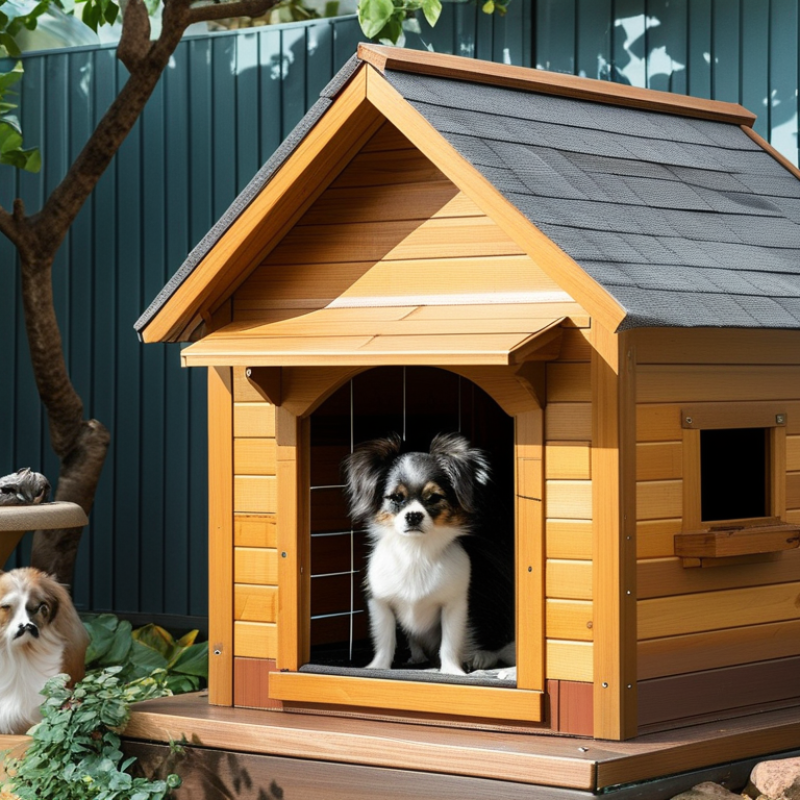
Factors to Consider When Choosing Pet House Size for Dogs and Cats
When selecting the right size pet house for dogs or cats, several factors come into play. The size of your pet is the most significant factor. According to the American Kennel Club (AKC), a pet house should provide enough room for your pet to stand, turn around, and lie down comfortably. For example, a large dog might require a house with a minimum height of 25 inches, while a smaller breed may only need 16 inches.
Another important aspect is the breed-specific characteristics. For instance, breeds with thick fur often prefer a snugger environment. This is supported by a study from the Journal of Veterinary Behavior, which indicated that pets often feel more secure in confined spaces. Cats, in particular, exhibit nesting behaviors; thus, they may benefit from smaller, enclosed houses.
Climate is also a critical consideration. An ideal pet house offers insulation during winter and ventilation in summer. The Humane Society notes that nearly 60% of pets are kept outdoors, requiring a suitable shelter that can withstand various weather conditions. Reflections on your local climate can lead to better choices. Evaluating these factors thoughtfully will help create a comfortable haven for your furry friends.
Understanding Your Pet's Breeds and Their Specific Space Requirements
When choosing a pet house, understanding your pet's breed is essential. Different breeds have unique space needs. For instance, small dogs like Chihuahuas require less space than larger breeds such as Golden Retrievers. A study from the American Kennel Club notes that larger breeds need at least 30% more space than smaller breeds to feel comfortable.
Consider a dog's size, weight, and activity level when selecting a pet house. An active breed might benefit from a larger house that allows for movement. On the other hand, a more sedentary breed can thrive in a snugger space. It's crucial to provide them a cozy environment, as research indicates that a comfortable pet house leads to lower stress levels in animals.
Not all pet houses are created equal. Some may appear spacious but lack proper ventilation. Poor airflow can lead to discomfort and health issues. Observing how your pet interacts with their space will help determine if you’ve made the right choice. If your pet seems restless or avoids their house, it’s time to reassess. Remember, a pet house should be a haven, not just an enclosure.
The Importance of Measuring Your Pet for an Accurate Fit
Choosing the right size pet house is crucial for your furry friend’s comfort. Proper measurements ensure that your pet can rest, play, and relax without feeling cramped. An accurate fit can prevent stress and promote happiness. It’s essential to measure your pet’s height, length, and weight accurately. These dimensions help you find a suitable house that accommodates their size effectively.
Tips: Focus on measuring your pet while they are standing, sitting, and lying down. Take note of their favorite sleeping position. This way, you can gauge the ideal dimensions. Also, consider the breed. Some pets need extra space because they are active or larger. It’s not only about fitting; it’s about comfort.
Don’t forget to think about the materials used. A house that’s too insulated might be uncomfortable in warmer seasons. Reflect on your pet's personality. Some pets prefer snug spaces, while others enjoy sprawling out. Keep these aspects in mind, as they significantly impact your pet's living experience in their new home.
Evaluating Materials and Insulation Needs Based on Climate
When evaluating materials for a pet house, climate plays a crucial role. In warmer areas, materials like wood or breathable fabrics can help maintain airflow. Plastic houses might be better for regions with heavy rain.
Insulation is pivotal for colder climates. Insulated walls and roofs trap heat, ensuring your pet stays warm during harsh winters.
The construction of the house also matters. A raised floor can prevent moisture build-up from ground contact. Ventilation holes are necessary to prevent overheating in the summer.
Reflective materials can also reduce heat absorption. Not every choice will be perfect. Each material has its pros and cons; sometimes, trial and error is involved.
Consider your local weather conditions and your pet's needs. A sturdy structure is essential for extreme climates. Your pet's comfort depends on these factors. By thoroughly assessing their environment, you can make a better-informed decision. Your goal is to create a safe, cozy space for your pet.
Industry Recommendations for Pet House Size by Weight and Breed
Choosing the right size pet house is crucial for your pet’s comfort. The size must cater to their weight and breed. For example, a small dog like a Chihuahua needs less space than a larger breed like a Labrador. Aim for a snug fit, allowing your pet to stand, turn around, and lie down comfortably.
Industry recommendations suggest specific dimensions based on weight. A house for pets weighing 10-20 pounds should have a floor space of about 24 inches. Dogs 20-40 pounds typically require about 36 inches. Those over 40 pounds may need a house with at least 48 inches of floor space. Consider your pet's breed characteristics too, as some breeds prefer cozier spaces.
Measuring your pet is essential. However, pets can be unpredictable. They may change their preferences or grow over time. A house purchase is an investment. Don't rush the decision-making. Always observe how your pet interacts with their living space. Make adjustments as needed. Finding the right size often involves trial and error. Listen to your pet’s cues for comfort.
FAQS
: Different breeds have unique space needs. Small dogs require less space than larger breeds for comfort.
Active breeds need larger houses to move around, while sedentary breeds enjoy snugger spaces.
If your pet is restless or avoids their house, reassess the space and comfort level provided.
Warmer areas need breathable materials, while colder regions require insulation to keep pets warm.
Proper airflow prevents overheating and discomfort, ensuring your pet remains healthy and relaxed.
No, every choice has pros and cons. Sometimes, trial and error is essential for the right fit.
Assess local weather conditions and look for sturdy structures that withstand extreme climates.
It might indicate discomfort or lack of coziness; check the materials and overall environment.
Regular observations are needed. Changes in behavior may signal a need to reassess the space.
No, factors like material, insulation, and ventilation are also important for your pet's comfort.
Conclusion
When considering how to choose the right size pet house for your needs, it’s essential to evaluate several factors. Understanding your pet's breed and their specific space requirements is crucial, as different breeds have varying size needs. Additionally, accurately measuring your pet will ensure a comfortable fit, while taking into account the right materials and insulation based on your local climate can enhance your pet's comfort and safety.
Furthermore, industry recommendations often suggest specific pet house sizes based on weight and breed, providing guidelines that can help you make an informed choice. By combining these considerations, you can select a pet house that not only accommodates your pet but also offers a cozy retreat tailored to their unique needs.

 Wilsons Pets