As winter approaches, ensuring your pet has a comfortable shelter becomes essential. Understanding how to build an outdoor DIY pet house for winter not only provides warmth but also protection from harsh elements. According to a report by the American Society for the Prevention of Cruelty to Animals (ASPCA), outdoor pets are at risk of hypothermia if not properly sheltered. In light of this, expert carpenter Jane Doe states, "A well-insulated pet house can make a significant difference in your pet's winter comfort."
Constructing a pet house requires careful consideration of materials and insulation. Wood is often the go-to choice due to its natural insulation properties. However, it is vital to reflect on the quality of wood used. Not all woods are durable against moisture and pests. Moreover, take note of the size; a house too large will be hard to heat. An enclosed space allows pets to retain warmth, while excessive ventilation can lead to cold drafts.
Building a pet house isn't just a project; it reflects your commitment to your furry friend. Each design has room for improvement. Take into account local weather conditions, the specific needs of your pet, and the style you'd like to incorporate. This process isn't merely about construction; it's about crafting a safe haven for your cherished companions during the winter.
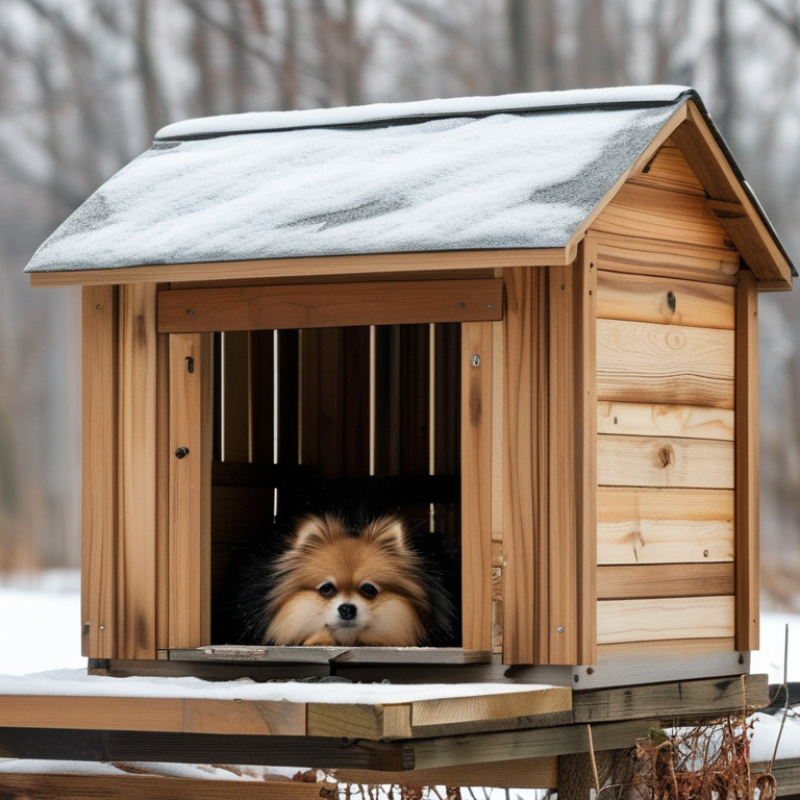
Choosing the right location for your DIY pet house is crucial for your pet's comfort and warmth during winter. Start by assessing your yard. Look for a spot that is protected from harsh winds. Ideally, it should be near a wall or a fence that can block cold drafts. This will help keep the temperature inside the house more stable.
Consider the sun's path as well. A location that receives sunlight during the day can help warm the pet house. Sunlight is a natural heat source and can make a significant difference. However, avoid placing it in an area with direct afternoon sun, as it can become too hot in the warmer months, which requires thoughtful planning.
The ground should be flat and dry to prevent water from pooling inside the house. Check for any potential drainage issues. Is there a nearby tree that could drop branches or leaves? Ensure there are no hazards that could compromise your pet’s safety. Reflect on the accessibility of the location for both you and your pet. Keeping these details in mind will lead to a more effective and comfortable outdoor shelter.
| Criteria | Ideal Conditions | Considerations |
|---|---|---|
| Sunlight | Partial sunlight to keep warm | Avoid direct, harsh sunlight during peak hours |
| Wind Protection | Sheltered from strong winds | Position near a wall or fence for added protection |
| Ground Level | Elevated slightly off the ground | Prevents dampness and cold exposure |
| Accessibility | Easy access for pets | Ensure pets can enter and exit comfortably |
| Safety | Away from potential hazards | Check for noise, predators, and other threats |
: Plyboard and foam board are effective. They provide durability and excellent insulation.
Use weather-resistant sealant on seams. This will help keep the warmth inside.
Yes, ventilation is essential. It prevents mold and maintains a healthy environment for your pet.
Consider adding insulating blankets and straw. A raised floor can also help keep them warm.
Regular checks are important. Look for moisture buildup and reinforce weak areas in the structure.
Absolutely. A house that's too big can be cold, while a small one may restrict movement.
It traps warmth effectively, helping to maintain a cozy environment for your pet.
Many forget to consider their pet's size and habits, which can lead to discomfort.
Ensure a secure entrance to keep pests out, and add a flap door for extra warmth.
Continuously observe their behavior. Adjust the shelter based on how they respond to different conditions.
This article provides a comprehensive guide on how to build an outdoor DIY pet house for winter, ensuring your furry friends stay warm and comfortable during the colder months. It begins by emphasizing the importance of selecting the right location for the pet house, which should be sheltered from harsh winds and direct snow exposure.
Next, the article outlines the necessary materials for constructing a durable and insulated pet house, followed by detailed step-by-step instructions to help you build it effectively. Additionally, it discusses key insulation techniques to maximize warmth and highlights comfort and safety features that should be included to create a cozy outdoor shelter for pets. By following this guide, you can easily create a well-constructed pet house that enhances your pet's outdoor living experience in winter.

 Wilsons Pets